
How Paper Mailers Are Manufactured (Step-by-Step Process) | HJ Machinery


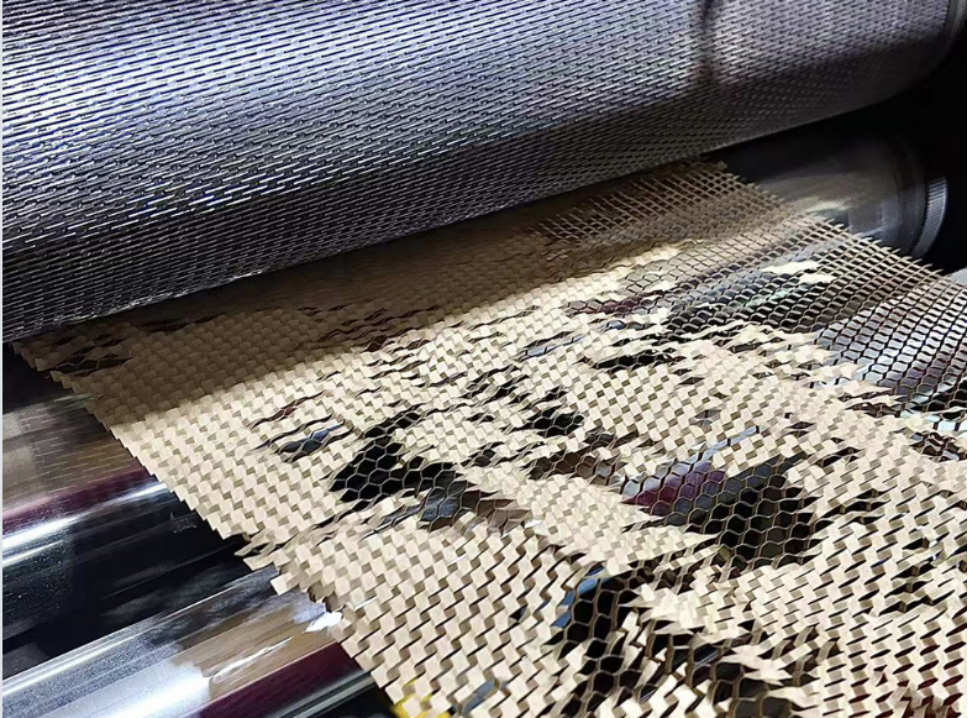
(YorkPedia Editorial):- Jiangyin, Jiangsu Sep 8, 2026 (Issuewire.com) – Inside a modern automated packaging plant, craft paper reels measuring up to two meters in width unroll seamlessly at high speed, passing through precise mechanical forming guides, adhesive application units, and volumetric die-cutters. Within milliseconds, raw Kraft paper is transformed into structured, shock-absorbing padded mailers designed to protect fragile goods during global delivery. As ecommerce fulfillment centers rapidly transition away from single-use plastics to meet stringent global sustainability directives, the engineering rigor behind eco-friendly packaging production has come into sharp focus. Delivering these high-performance protective envelopes requires advanced industrial machinery capable of maintaining ultra-tight tension tolerances, exact thermal bonding, and rapid structural embossing. Positioned at the center of this technological shift, High Quality Paper Mailers Manufacturer Hangjia Machinery designs and builds advanced Paper Mailers Machine solutions that convert sustainable paper raw materials into heavy-duty protective mailers at industrial throughput speeds.
Understanding how paper mailers are manufactured requires looking beneath the surface of simple Kraft paper. Unlike standard paper envelopes, padded paper mailers rely on complex structural architecture–such as expandable honeycomb lattices, deep geometric embossing, or fluted corrugated linings–to absorb kinetic impact during transit. Manufacturing these protective structures at high volumes demands automated machinery that integrates multiple conversion processes into a single continuous production line.
Step 1: Raw Material Preparation and Precision Unwinding
The manufacturing process begins with jumbo rolls of heavy-duty Kraft paper mounted onto motorized unwinding stands. Maintaining constant web tension is essential; any variance in tension can cause paper wrinkles, misalignment during folding, or uneven glue distribution down the line.
Advanced converting platforms address this challenge using pneumatic expansion shafts paired with dynamic tension sensor arrays. As the roll diameter decreases during operation, real-time feedback loops automatically adjust braking torque, keeping paper feed smooth and stable even at production speeds exceeding 80 meters per minute.
Step 2: Internal Protective Core Formation and In-Line Processing
The defining characteristic of a protective paper mailer is its shock-absorbing core. Depending on the product specification, manufacturers employ different structural techniques to replace plastic bubble cushioning:
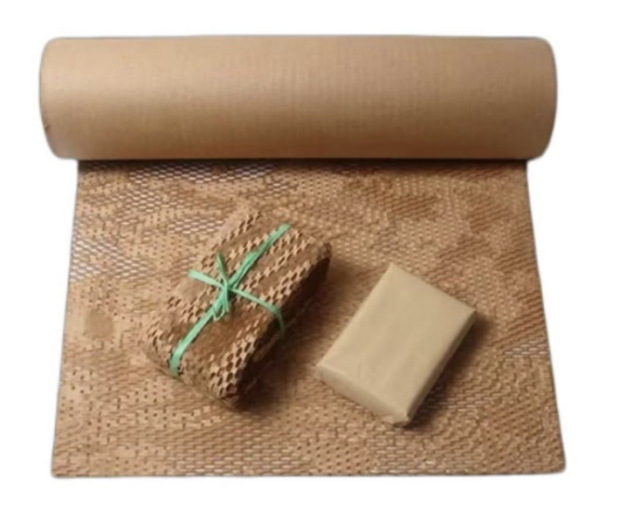
- Honeycomb Paper Expansion: Kraft paper with precision die-cut slits is stretched longitudinally to expand into a three-dimensional hexagonal honeycomb structure. This structure creates air pockets that distribute compressive forces across a wide surface area.
- 3D Paper Embossing (Paper Bubble): Smooth Kraft paper passes through heavy-duty male and female embossing rollers under calibrated pressure, forming dense matrix patterns of raised dimples or bubbles that offer resilient cushioning.
- Corrugated Fluting: Recycled fluting paper is glued between flat linerboards to construct rigid structural protection for heavier items.
In high-performance equipment systems developed by HJ Machinery, versatile modular design allows for integrated processing. For example, the high-speed 2-in-1 honeycomb and embossed paper padded mailer machine allows operators to process both honeycomb lattice structures and 3D paper bubble cushions on the same line, offering flexibility to adapt to changing market requirements without requiring multiple standalone conversion lines.
Step 3: Multi-Layer Lamination and Cold/Hot Adhesive Application
Once the protective inner layer is prepared, it is joined with the outer Kraft paper shell. High-speed applicator heads apply precise ribbons of water-based or hot-melt adhesive across designated bonding zones. Precision metering pumps ensure that adhesive volume is tightly controlled: too little glue leads to delamination under transport stress, while excessive glue increases drying times and adds unnecessary weight.
During lamination, specialized pressing rollers apply uniform pressure across the multi-layer web. This step bonds the protective honeycomb or embossed paper core securely between the inner and outer paper layers, creating a composite structural sheet that resists puncture, tearing, and bursting forces.
Step 4: Longitudinal Folding, Edge Sealing, and E-Commerce Feature Integration
The laminated composite paper web then enters the folding section, where adjustable mechanical former plates fold the sheet longitudinally into envelope shapes–typically featuring 3-side seal or bottom-fold configurations. Side edges are permanently bonded using high-pressure sealing bars and specialized fast-curing adhesives.
To meet modern logistics and e-commerce demands, functional features are integrated during this phase:
- Peel-and-Seal Adhesive Strips: Double-sided release tape is automatically applied to the top flap to enable rapid, tool-free closure at fulfillment centers.
- Tear-Strip Tape: High-tack release strips are embedded along the flap to allow end customers to open packages easily without scissors.
- Dual Sealing Strips for Returns: Secondary adhesive strips can be integrated, allowing consumers to reuse the exact same mailer for convenient eco-friendly product returns.
Step 5: High-Precision Transverse Cutting and Stacking
In the final conversion phase, continuous mailer webs must be cut into individual finished envelopes with exact dimensional accuracy. Continuous rotary or servo-driven guillotine cutter knives execute clean, burr-free transverse cuts synchronized precisely with web speed.
Finished mailers are automatically routed onto shingling conveyor belts and high-speed stacking units, where optical sensor counters group them into pre-set batch quantities for automated bundling and palletizing.
Technical Excellence and Engineering Detail in Modern Mailer Equipment
The operational efficiency of a paper mailer production line depends heavily on mechanical precision, thermal control, and structural durability. Modern packaging machinery must run continuously in heavy-duty factory environments while maintaining tight manufacturing tolerances.
- Structural Stability: Thickened heavy-duty steel side-plates and reinforced frame structures minimize high-speed vibration, preserving die alignment and extending blade life.
- Synchronized Servo Control: Multi-axis independent servo motors govern web feeding, adhesive jetting, and knife actuation to maintain cutting accuracy within ±0.5 mm at maximum operating speeds.
- Energy-Efficient Drying Systems: Integrated infrared or warm-air drying channels rapidly cure water-based glues without warping paper fibers or causing curling.
- Intelligent Interface & Quick Changeovers: PLC control panels with recipe memory allow operators to switch envelope sizes and material parameters in minutes, reducing downtime between batch runs.
By focusing on these core engineering details, modern manufacturing lines achieve high line efficiency, minimal waste generation, and consistent seal integrity across millions of units.
Driving the Sustainable Packaging Transition
As regulatory standards and consumer expectations tilt decisively toward circular economy principles, the demand for paper-based protective mailers will continue to expand worldwide. Transitioning from plastic bubble mailers to curbside-recyclable paper alternatives requires reliable machinery capable of delivering speed, cost efficiency, and uncompromised product protection.
Through continuous R&D and deep specialization in converting technology, Hangjia Machinery provides complete, industrial-grade paper packaging solutions. By combining robust machine engineering with flexible feature integration, the company empowers packaging manufacturers and e-commerce logistics providers to scale sustainable operations efficiently.
To learn more about advanced paper mailer machinery and complete packaging production lines, visit: https://www.hangjiamachinery.com/
This article was originally published by IssueWire. Read the original article here.
